The spine is a complex structure deserving of close attention, as it plays a crucial role in overall health and mobility. Many individuals experience various spine conditions that can significantly impact their quality of life. This article will delve into the most common types of spine conditions, their symptoms, causes, and potential treatments, helping readers recognize when to seek medical advice.
Common Spine Conditions
1. Herniated Discs
A herniated disc occurs when the soft material inside a disc in the spine bulges out through a tear in the tougher exterior. This can lead to intense pain, numbness, or weakness, particularly if the bulging disc presses against nearby nerves.
- Symptoms: Pain that radiates down the legs or arms, tingling sensations, muscle weakness.
- Causes: Age, repetitive strain, or an injury.
2. Degenerative Disc Disease
As individuals age, discs lose hydration and elasticity, leading to degenerative disc disease. This condition can result in pain, stiffness, and reduced mobility.
- Symptoms: Chronic pain in the lower back or neck, increased pain with movement, and potential numbness.
- Causes: Natural wear and tear, genetic factors, or injury.
3. Spinal Stenosis
Spinal stenosis is the narrowing of the spinal canal that can put pressure on the spinal cord and nerves. This condition can lead to severe discomfort and mobility issues.
- Symptoms: Back pain, numbness, cramping, and weakness in the legs.
- Causes: Osteoarthritis, herniated discs, and thickened ligaments.
4. Scoliosis
Scoliosis is characterized by an abnormal curvature of the spine. It can develop in children or may occur due to degenerative changes in adults.
- Symptoms: Uneven shoulders, a prominent shoulder blade, and back pain.
- Causes: Congenital factors, neuromuscular conditions, or idiopathic reasons.
5. Sciatica
Sciatica is not a condition on its own but rather a symptom of other spine issues, typically resulting from irritation or compression of the sciatic nerve.
- Symptoms: Sharp pain that travels from the lower back into the leg, numbness, and tingling.
- Causes: Herniated discs, spinal stenosis, and degenerative disc disease.
Diagnosis and Treatment
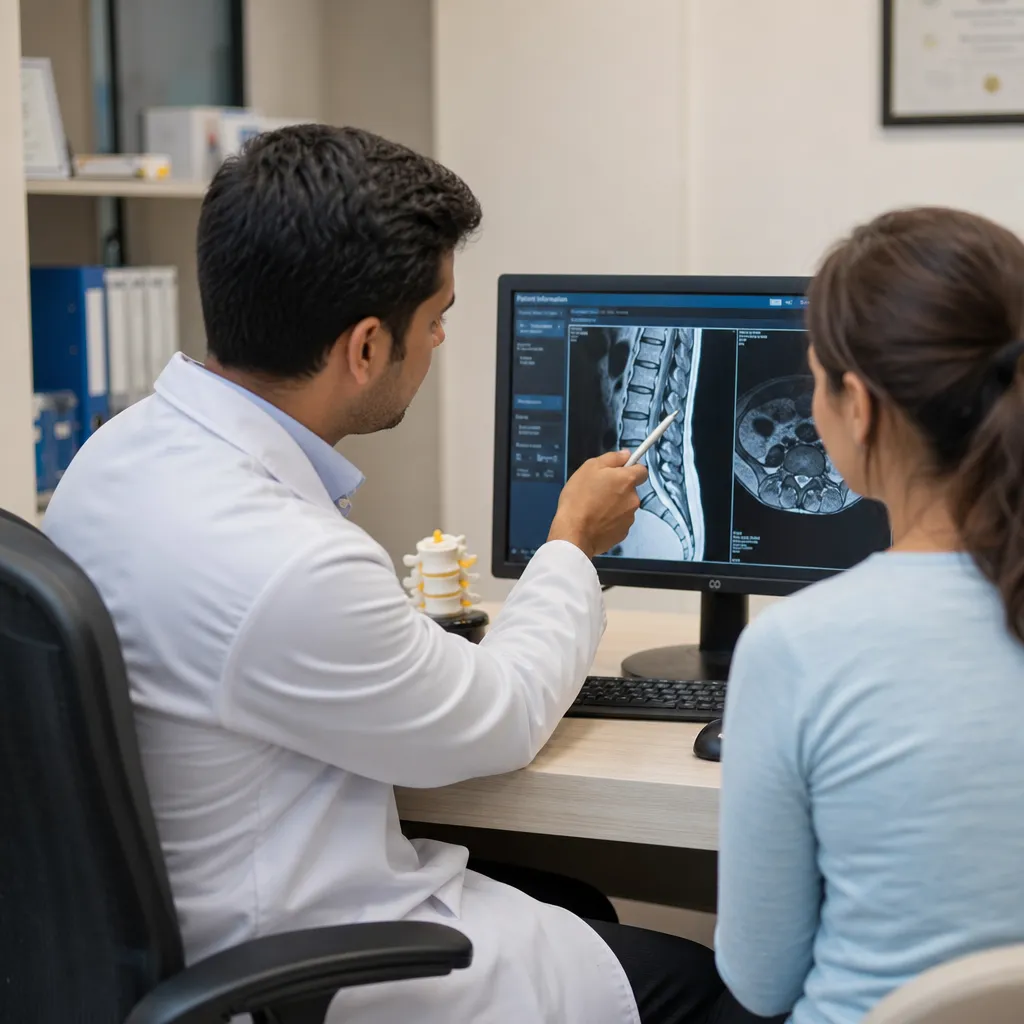
Diagnosing a spine condition involves a combination of physical examinations, medical history, and imaging tests such as X-rays, MRI, or CT scans. Once a definite diagnosis is made, treatment options may include:
- Physical Therapy: Tailored exercises to strengthen back muscles and improve flexibility.
- Medications: Anti-inflammatory drugs or pain relievers to manage discomfort.
- Injections: Corticosteroid injections may be recommended for relief from inflammation and pain.
- Surgery: In more severe cases, procedures such as discectomy, laminectomy, or spinal fusion may be necessary.
When to Seek Help
It is critical to consult a healthcare provider if experiencing persistent back pain, numbness, tingling, or weakness. Early intervention is key to effectively managing spine conditions and can prevent further complications.
Integrating Care
For individuals in Bangalore dealing with spine-related issues, consulting experts is vital for a quick and effective recovery. Patil Spine & Ortho Care, an advanced clinic specializing in spine treatment, offers personalized care tailored to the unique needs of each patient. In-house facilities enable comprehensive care from diagnosis to rehabilitation, facilitating a smoother recovery process.
Conclusion
Spine conditions can vary widely in their symptoms and severity, but many are manageable with the right approach. Understanding these conditions is the first step in seeking appropriate medical care. If you experience symptoms of any spine condition, don't hesitate to reach out to skilled professionals to discuss potential treatment options and begin your journey toward pain-free living.
Keywords