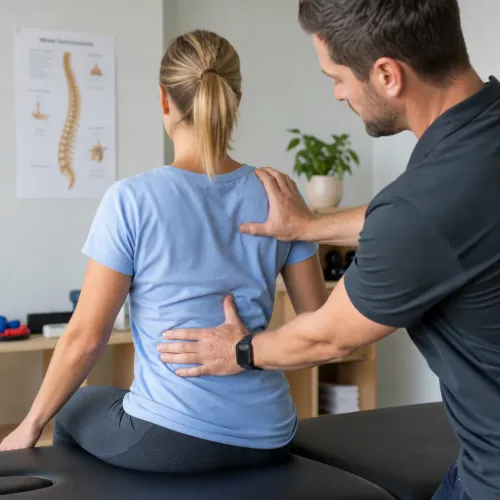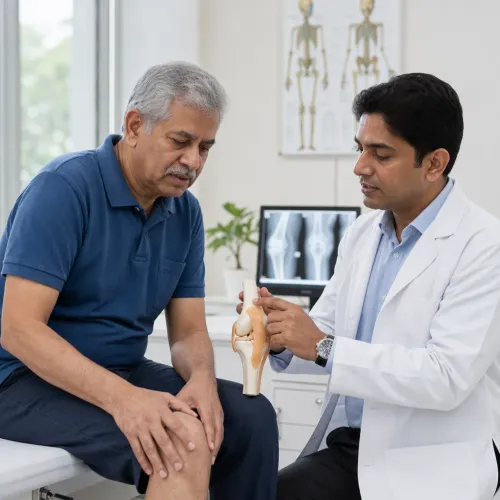
Our spine and joints are crucial components of our overall health, playing essential roles in movement and mobility. Unfortunately, many people may not realize that everyday lifestyle choices can significantly influence the health of their spine and joints. From the foods we consume to our activity levels and stress management, various factors can either support or hinder our musculoskeletal well-being.
The Impact of Nutrition on Spine and Joint Health
1. Diet and Inflammation
What we eat directly affects how our body works, including how it manages inflammation. Diets rich in processed foods, sugars, and trans fats can trigger inflammation, leading to increased pain and discomfort in the spine and joints. Conversely, an anti-inflammatory diet rich in fruits, vegetables, whole grains, lean proteins, and healthy fats can support joint and spinal health.
2. Essential Nutrients
Certain nutrients are particularly beneficial for maintaining healthy joints and a strong spine:
- Omega-3 Fatty Acids: Found in fish like salmon, walnuts, and flaxseeds, these essential fats can help reduce inflammation.
- Calcium and Vitamin D: Vital for bone health, these nutrients can be found in dairy products, fortified foods, and leafy greens.
- Antioxidants: Vitamins C and E, found in many fruits and vegetables, help combat oxidative stress, promoting overall joint health.
Exercise and Physical Activity
1. The Role of Regular Exercise
Regular physical activity is one of the most effective ways to maintain a healthy spine and joint function. Strengthening exercises can help build the muscles around the joints, providing them with better support and stability. Low-impact activities like swimming, cycling, and walking can also enhance flexibility and range of motion without putting undue stress on your joints.
2. Avoiding Sedentary Lifestyles
Long hours of sitting can lead to weakened muscles, poor posture, and increased pressure on spinal discs, contributing to pain and discomfort. It's important to break up long periods of sitting with short walks and stretching exercises to keep the spine and joints mobile.
Posture Matters
Good vs. Poor Posture
Maintaining good posture while sitting, standing, and moving reduces strain on the spine and joints.
- Sitting: Use ergonomic chairs that provide adequate lumbar support. Sit with both feet flat on the ground and avoid crossing your legs.
- Standing: Keep alignment by engaging your core muscles, distributing your weight evenly on both feet, and bending your knees slightly.
- Lifting: Use proper lifting techniques by bending at the knees and keeping the object close to your body.
Stress Management
It's often overlooked, but stress can have a profound impact on physical health, including the condition of the spine and joints. Chronic stress can lead to muscle tension, which can exacerbate pain and stiffness. Techniques such as mindfulness, meditation, yoga, or tai chi can help reduce stress levels, positively affecting physical health.
Weight Management
Excess body weight puts additional strain on your spine and joints, especially the hips, knees, and back. Maintaining a healthy weight through a balanced diet and regular exercise can mitigate this stress and lower the risk of developing joint-related issues.
Conclusion
Making conscious lifestyle choices is vital in promoting the health of your spine and joints. By emphasizing nutrition, engaging in regular exercise, maintaining good posture, managing stress, and keeping an eye on body weight, you can foster a more resilient musculoskeletal system.
If you experience persistent pain in your spine or joints, consider seeking advice from a qualified specialist to explore personalized treatment options. In Bangalore, clinics like Patil Spine & Ortho Care offer expert insights into maintaining musculoskeletal health, helping you on your journey to better back and joint health. Remember, a proactive approach today can lead to a healthier, pain-free tomorrow.
Keywords