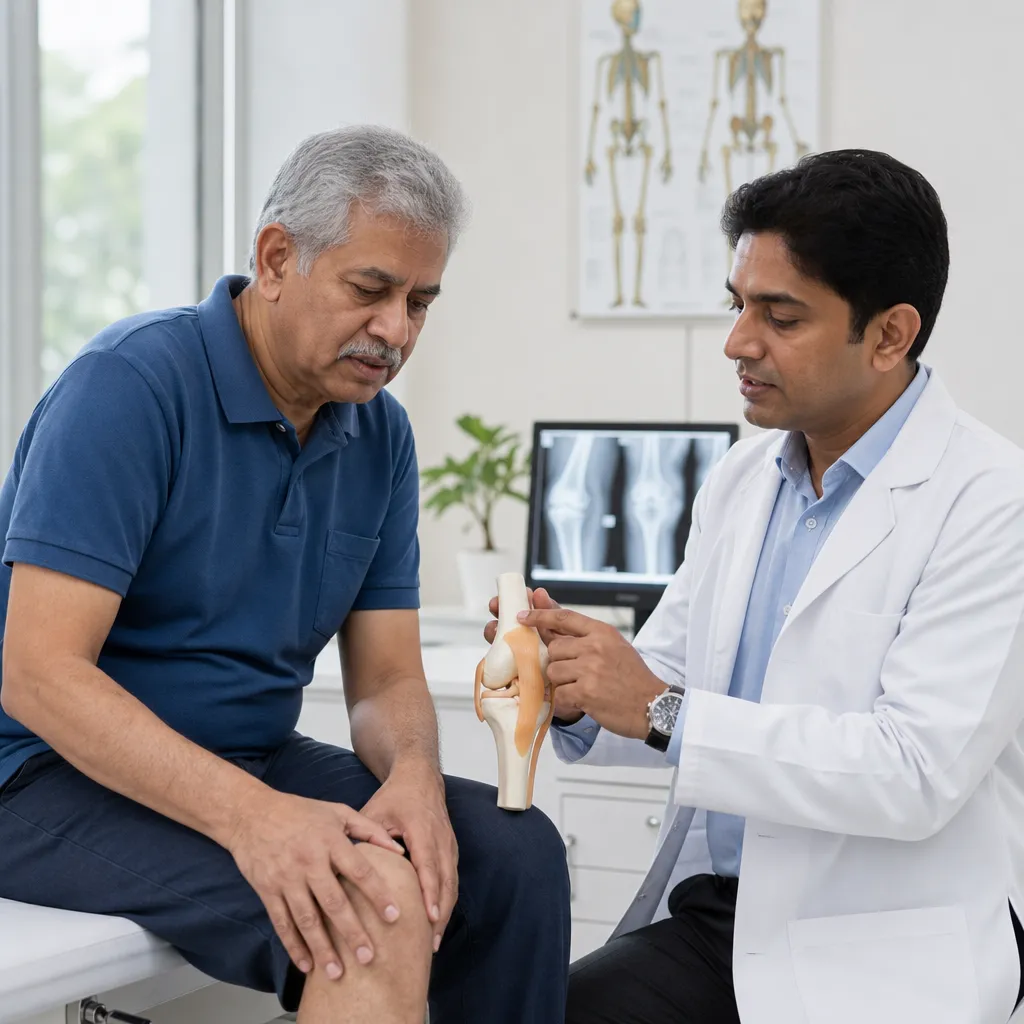
Early detection in orthopedic care can significantly influence the outcome of various musculoskeletal conditions. Recognizing issues at an early stage allows for timely intervention, which can lead to better management of pain, improved mobility, and ultimately, an enhanced quality of life.
Understanding Orthopedic Conditions
Orthopedic conditions encompass a wide range of issues related to the muscles, bones, and joints. Common conditions include:
- Osteoarthritis
- Fractures
- Sports injuries
- Tendonitis
- Spinal disorders
- Bursitis
Each of these conditions can develop gradually, often presenting subtle symptoms that can easily be overlooked. Ignoring these signs may result in more severe complications, making it crucial to understand the importance of early detection.
Why Early Detection Matters
1. Prevention of Further Damage:
Early detection allows healthcare providers to identify the underlying cause of symptoms before they escalate into more serious conditions. For instance, a minor injury that is initially ignored can worsen into a chronic issue requiring more invasive treatments.
2. Less Pain and Discomfort:
Seeking help early on can mitigate pain levels and reduce the risk of developing chronic pain conditions. Managing pain effectively from the start enhances a patient's overall experience and quality of life.
3. Faster Recovery:
Early intervention typically leads to quicker recovery times. Engaging in tailored treatment options when the condition is less severe can often result in returning to normal activities sooner.
4. Better Treatment Outcomes:
Conditions diagnosed in their early stages usually respond better to conservative treatments such as physical therapy or medication. In contrast, advanced stages may require surgical intervention or more complex therapies.
5. Improved Functionality:
Early detection can help maintain joint functionality and mobility, preventing limitations that might arise as the condition worsens. This is especially significant for active individuals or athletes.
Common Signs to Watch For
Being aware of specific signs can stimulate early visits to healthcare professionals. Here are some key symptoms that should not be ignored:
- Persistent joint pain or stiffness
- Swelling or inflammation around a joint
- Limited range of motion
- Recurrent injuries, especially from minor strain
- Changes in mobility or difficulty performing daily activities
If any of these symptoms are present, it’s advisable to seek a consultation with an orthopedic specialist promptly.
The Role of Regular Check-ups
Regular check-ups with an orthopedic surgeon or specialist can facilitate early detection. These visits allow healthcare providers to monitor existing conditions, evaluate any changes, and address potential risks. For instance, patients with a history of joint issues or previous injuries may benefit from routine assessments that can help identify new concerns before they escalate.
A Personalized Approach to Care
Every patient’s experience with orthopedic conditions is unique. Personalizing treatment plans based on an individual’s specific diagnosis, lifestyle, and care preferences is essential for effective management and recovery.
At clinics like Patil Spine and Ortho Care, experienced specialists focus on providing comprehensive orthopedic care. Their approach not only aims at relieving symptoms but also emphasizes preventative measures and ongoing support, ensuring that patients remain informed and empowered throughout their treatment journeys.
Conclusion
The importance of early detection in orthopedic care cannot be overstated. By recognizing symptoms and seeking professional guidance sooner rather than later, individuals can significantly improve their outcomes and quality of life. For anyone experiencing orthopedic concerns, don’t hesitate to consult a specialist to ensure timely evaluation and treatment. Remember, taking proactive steps today can lead to a healthier tomorrow.
Keywords